New Delhi, the capital of India, was the starting point of our journey. We thought it would be a good idea to start our train journey across India from New Delhi. We had never been to India before, so setting off from New Delhi, the heart of India, seemed the better choice. And that’s what we did: we decided to start our trip by staying in a hotel popular with tourists in New Delhi, where we could feel safe.
Stepping into the dusty, chaotic streets of India hit us like a slap. We had arrived at our first stop, New Delhi. The weather was good, but as we moved towards the centre where our hotel was, what we saw and the scenery kept changing.
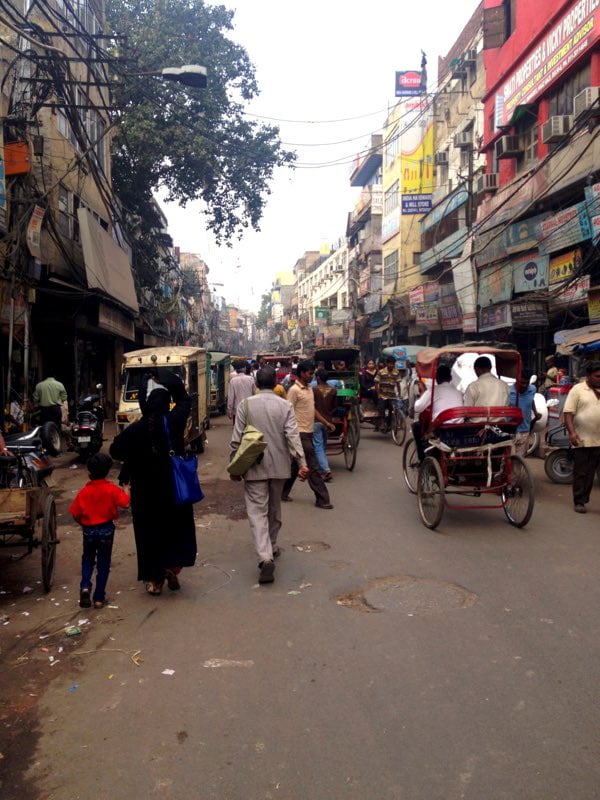
Suddenly handcarts and animals were added to the chaos of the big city, as if we were living in a village, and we didn’t know where to look. The streets smelled of a mix of spices and urine. Of course, not all of New Delhi smelled like that. The city’s atmosphere kept changing from area to area, street to street, neighbourhood to neighbourhood.
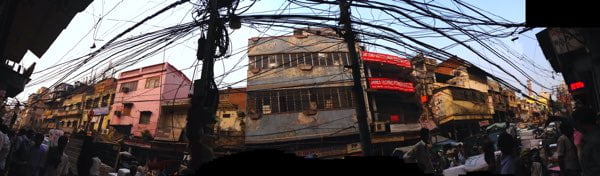
The switch from streets where people in modern clothes walked to half-naked people urinating against street walls was sudden.
New Delhi looked chaotic even without people.
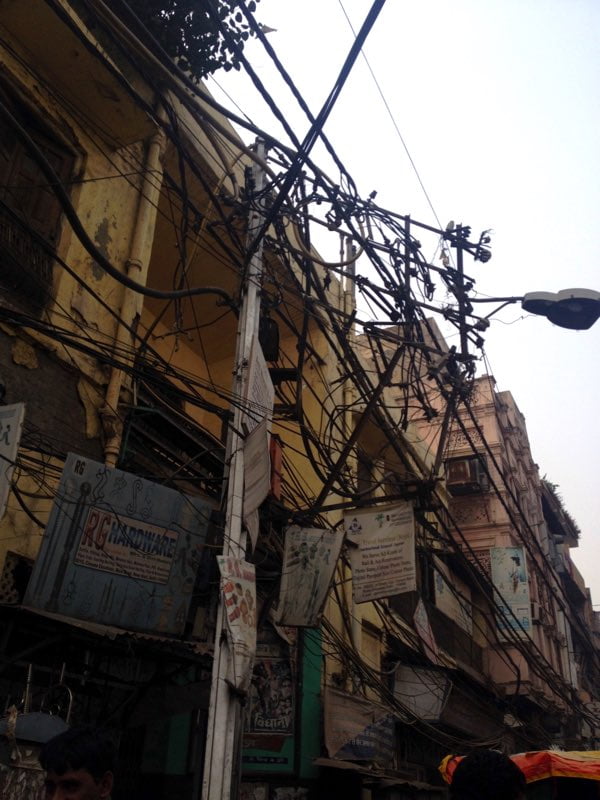
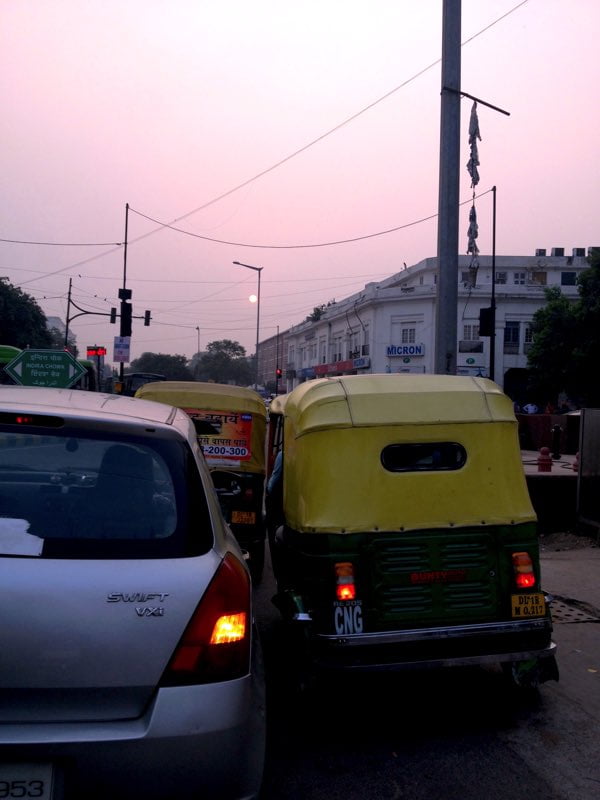
There was so much cable traffic all around that it created chaos in a way I couldn’t understand. In the streets of New Delhi, old, neglected cables just hung there in the open, far from any safety measures. It looked as if an electric wire could snap and fall on someone at any moment. These cables in the back streets of New Delhi added even more confusion to the city’s chaotic, crowded atmosphere.


After landing at New Delhi airport, the intense noise and air pollution scared us a little. After these confusing scenes, we prayed our hotel would be nice. For a moment we wondered why we hadn’t booked through a tour company. Being on our own made us feel very unsafe. I had found the hotel online and booked it, but in the end a big surprise could have been waiting for us when we got there. With our worries and curiosity, we headed to our hotel in New Delhi.
How did we choose our hotel in New Delhi?
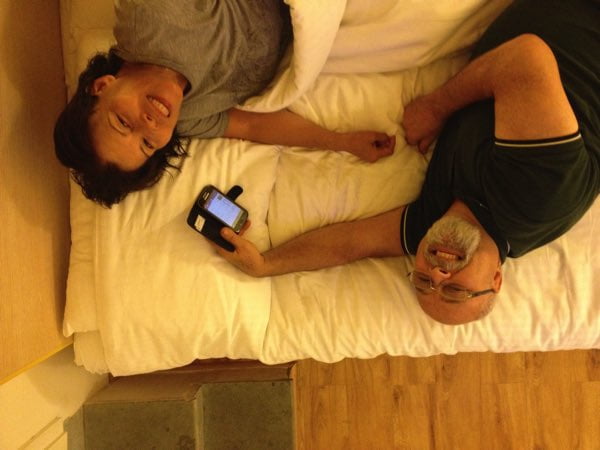
Is choosing a hotel in New Delhi important? Tips for first-timers in New Delhi
For our first stay in New Delhi I chose a hotel with comfortable beds, a simple design and calming colours. It really was the right decision. I can’t say you need to make comfortable choices for your whole trip in India, but I definitely recommend choosing a hotel that makes you feel good for the first few days. At least for those first few days, while you get over the chaos and shock of India, I think it’s important to have a place where you feel safe and comfortable. Especially if it’s your first trip to India and you’re organizing it yourself, I recommend somewhere simple, easy to find, clean and well located. You may want the comfort of home, even if only for a moment, and then you can try making more local choices for the following days.
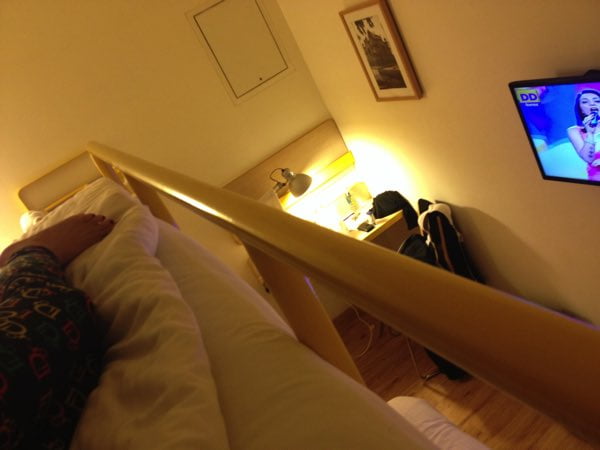
When we arrived at the hotel, my father took a deep breath. He looked as if he were in shock. All our faces wore an expression searching for answers to questions like “What was that, where have we come, what will we do in India for days?” We had chosen a room with bunk beds and huge mattresses.

Our Luggage Was Lost as Soon as We Landed in New Delhi!
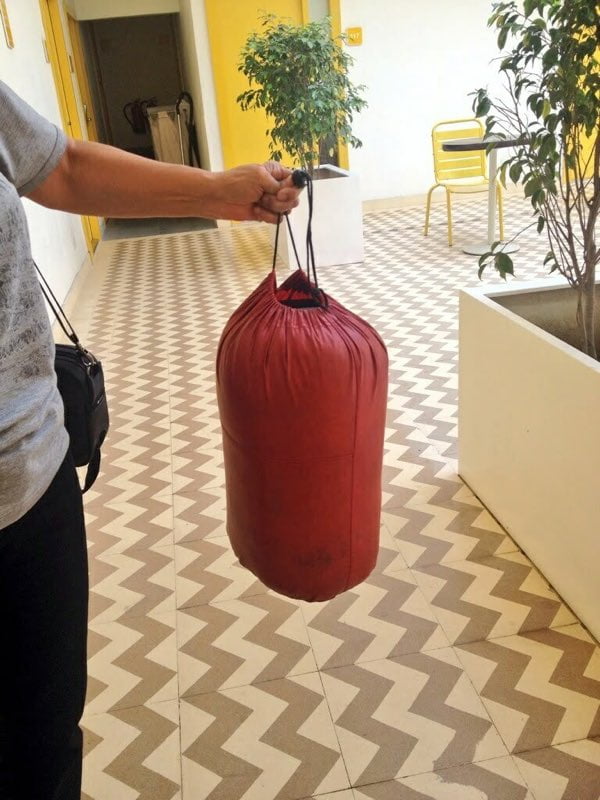
The main reason we felt this chaos was that our suitcases weren’t there when we landed. We learned that the bags, which we had packed with few things and only the bare essentials, had gone to another country and were no longer with us. It was our first trip to India, and we had lost our luggage on the very first day. When we got to the room, we didn’t know whether to laugh or cry at our situation. They said our suitcases would be delivered to the hotel the next day, but nobody could say clearly whether they really would be. When we got from the airport to the hotel, all we had with us was a single sleeping bag. We went to the room and kept looking at that sleeping bag and laughing.
An hour or two later we left the hotel, wandered around and tried to find something to eat. In the evening we went back to our hotel in New Delhi, ready for bed, without a single clean piece of clothing. We spent that night under the duvet in our underwear.
The day after we arrived in New Delhi – 23 October, my birthday!
The next day I woke up under the duvet in my underwear with a silly smile on my face, saying, “Today’s my birthday.” Whatever happened, I was in the middle of the most unusual, most wonderful adventure a person could have on their birthday. I was making memories with my loved ones.
The Best Gift I Got on My Birthday in India!
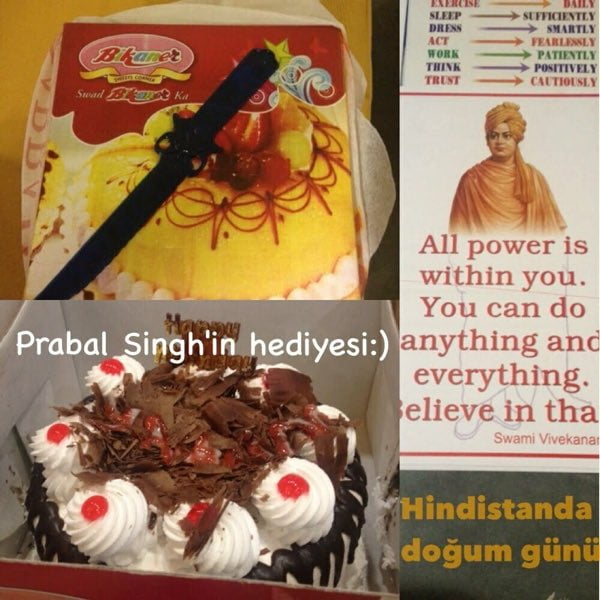
We got up excitedly, got dressed and opened the door. A hotel employee was standing there with our lost suitcases. We were so happy that we all went and hugged him. Even though he didn’t quite understand what was going on, he smiled and said “Namaste” to us. Namaste is the word you’ll hear most in India, so memorize it now. Namaste means ‘The divine in me sees and bows to the divine in you’ .
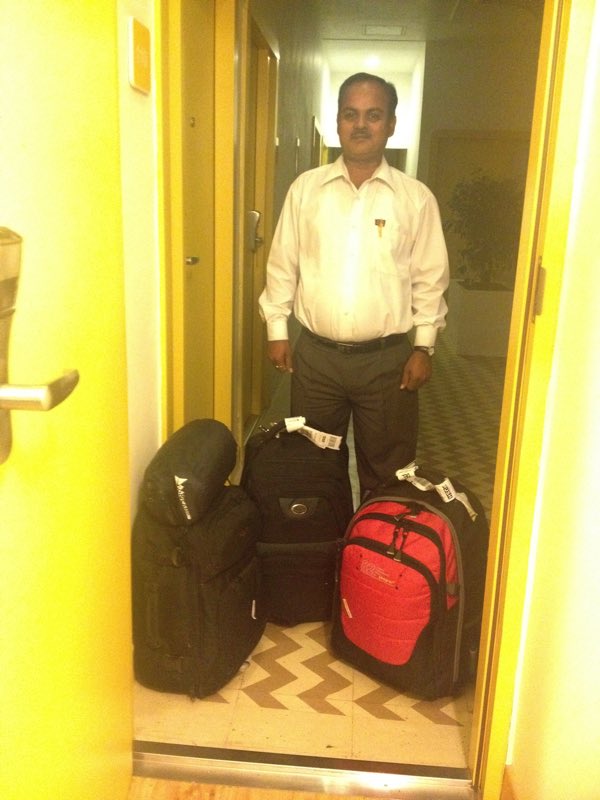
The suitcases were there, intact and complete. And our Indian friend who had helped find them had brought a cake for me. I couldn’t believe I was celebrating my birthday in India. Finding the suitcases felt like a huge gift, and on top of that they had brought this lovely cake all the way to the hotel. It boosted our motivation for India, and now we were impatient to see it.
We quickly got dressed and left the hotel to explore New Delhi. Based on my research, we would hire a tuk tuk and see all the places in New Delhi you shouldn’t leave without seeing. I’ve prepared this list for you too.
First, since we wanted a quick tour of New Delhi, we would take the small motorized rickshaws, the ‘tuk tuks’. Then we would ride the cycle rickshaws to get a feel for the streets and daily life.
The Transport That Will Save Your Life in New Delhi: the Rickshaw
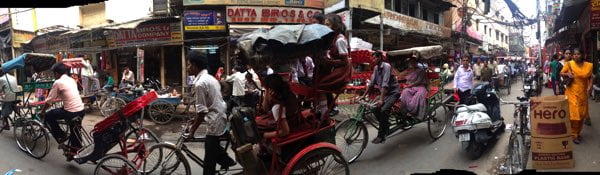
The streets of New Delhi and the rickshaw: you can’t come to India without talking about rickshaws. In all this chaos, it’s actually a vehicle in which you feel safe. It’s very uncomfortable and unsafe, yet in the middle of the city’s intense chaos, being inside a vehicle moving at a brisk pace somehow makes you feel more in control. On the other hand, there are the cycle rickshaws that make you think, “I wish I hadn’t got in, look how hard the poor man had to work to pull us,” and they make you wrestle with your conscience. In short, the rickshaw isn’t something to dismiss lightly. It’s a vehicle that turns your emotions upside down.
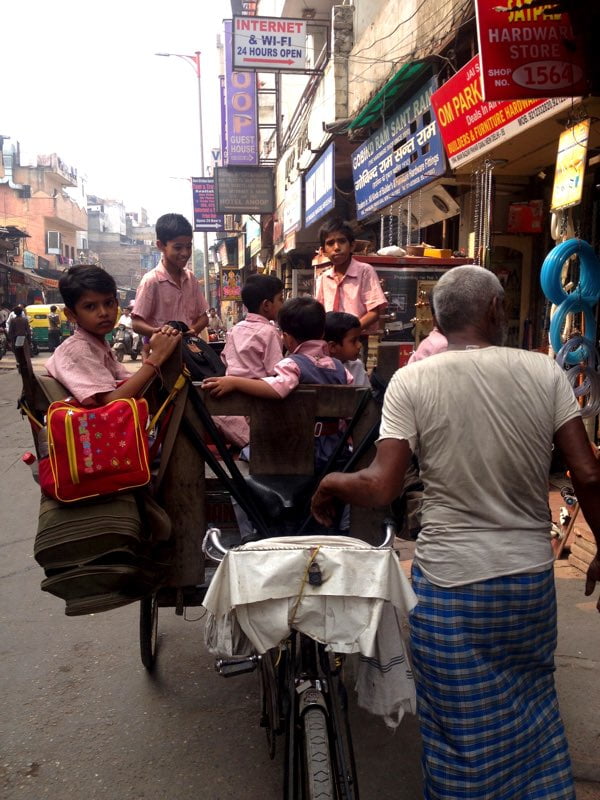
If you don’t ride the cycle rickshaws, you end up wondering whether you’re actually doing a good or a bad thing to the people trying to earn a living from them. Anyway, in the end we get in. Do we have fun in the rickshaw? Absolutely. In the middle of the city traffic, it’s like watching a 3D film. Everything happens right next to you. Despite all the chaos, people are calm. However tired the rickshaw driver is, he’s just as cheerful. As I said, you can’t come to India without riding a rickshaw. When you do, an exciting atmosphere awaits you in which you’ll feel all these emotions at once.
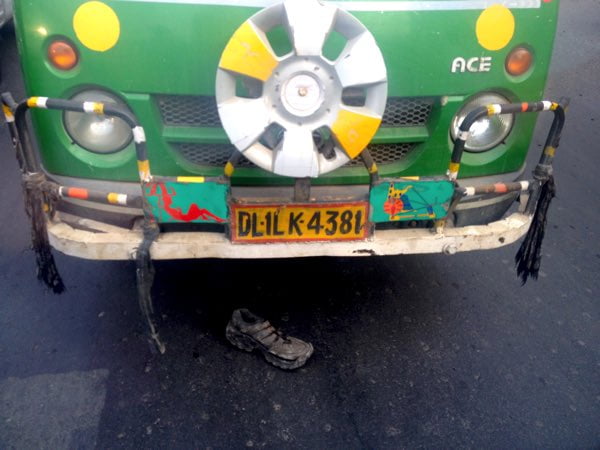
Before we get to the New Delhi city tour, there’s one very important detail you need to know. Unfortunately, while researching ‘places to visit in New Delhi’ online, nobody had mentioned this to me. So I want to warn you about it first and then give you detailed information about the city.
In New Delhi, never answer ‘YES’ to the first question you’re asked.
The next morning we hired a tuk tuk and started touring. When we left the hotel, they told us we needed to bargain. Used to bargaining from Thailand, we found out in advance roughly how much each distance should cost, because if the driver quoted three times the real price, our bargaining would be meaningless. So in New Delhi it’s important to know in advance the distances you’ll travel and how much to pay. If you trust your hotel, you can ask reception about prices. Then pop into a shop on the street and check the information again. That way you’ll at least know who’s telling the truth. Since we trusted our hotel, we talked to reception, so that when the tuk tuk driver realized we knew the price, he’d bargain accordingly.
We thought we were experienced because we’d been to many countries, but by the end of our India trip we learned that a traveller isn’t truly experienced until they’ve travelled in India.
If it’s your first time in India, never tell the locals!
When we arrived in India, the first question everyone asked was, “Is this your first time in India?” The next question was, “How many days ago did you arrive?” We thought, how friendly and interested these people are. We excitedly said, “Yes, it’s our first time, and we only arrived yesterday.” Thinking about it now, what a big mistake that was. When people in India ask if it’s your first time, never answer ‘yes’.
Saying yes is really another way of telling them, “I haven’t met India’s tricks yet and I don’t know anything.” When the other person realizes this, they start trying to fool you according to the level of difficulty. Even in other countries, when asked “Is this your first time? How many days have you been here?”, it’s worth answering, “No, it’s not my first time, I come often.” Then they’ll think you’re not an easy target and act accordingly.
Never forget this trick!
Of course, since no travel site mentioned this, we made the mistake of smiling and saying, “Yes, we just arrived.” When the tuk tuk driver realized we knew the fares, he said, “OK then, I’ll take you everywhere for this price, don’t look for another tuk tuk.” We loved the idea. Supposedly, by knowing the prices we had protected ourselves from being ripped off. And the tuk tuk driver really did take us everywhere we wanted without overcharging us and told us about every place.
How much can you trust a rickshaw driver?
After a pleasant day riding around the streets of New Delhi by rickshaw, on the way back to the hotel he said he could take us to a very cheap shopping place on our route. He even said it was so cheap that we wouldn’t need to waste money on fares coming back there again. It sounded very logical, and we happily agreed. We shopped at the store we thought was very cheap and that we’d never find again, then went back to the hotel, because we trusted the tuk tuk driver. Since he’d shown us around the city at a fair price without ripping us off, everything he said seemed true.
The way back to the hotel seemed a bit roundabout, but since everywhere here looks alike, we didn’t think much of it. The next day, when we left the hotel and went into the back street, we couldn’t hide our astonishment on realizing that the shop where we’d shopped the day before was right behind our hotel. And when we realized we’d paid too much for the products even with the ‘discount’, we just stared at each other blankly. Why am I telling you this? This wasn’t a scam; it was the most innocent thing that happened to us.
Every day we kept our eyes wider open, but we still took a hit from somewhere. In fact, when they tried to abduct my mother and me in Varanasi, we managed to stop it before it was too late. It’s impossible for me to describe what we went through in a sentence or two. How many times in a lifetime can a person be abducted! So I’ll write about these memories in a separate post, putting what’s on our minds into words to feel lighter and set them free. ‘They abducted us in Varanasi’ All I’ll say about that day is that we were very lucky. I’ll share it with you in a separate post.
After quickly seeing the places to visit, we were ready to set off for Rishikesh, which was next on our plan. We would go to Rishikesh by bus.
Places to Visit in New Delhi
What are the places you shouldn’t leave New Delhi without seeing?
New Delhi, the capital of India, is one of the most crowded and fastest-growing cities in the world. Delhi is divided into two parts: Old Delhi and New Delhi. Since bureaucrats live in New Delhi and it was once under British rule, it’s more modern. Old Delhi is known as the area where Muslims once ruled and lived.
If you start your tour in the Old Delhi part of the city, you can find and visit the Red Fort, Jama Masjid (the Friday Mosque), India Gate, Chandni Chowk market and Raj Ghat. Then Jantar Mantar, Agrasen ki Baoli, Humayun’s Tomb, Akshardham, Qutub Minar, the Lotus Temple, the National Rail Museum, Gurudwara Bangla Sahib, Rashtrapati Bhavan, the National Gallery of Modern Art, Lodi Gardens, Hauz Khas Village, Gandhi Smriti, Dargah Nizamuddin and Chhatarpur Temple, and Safdarjung’s Tomb are other places you can visit in and around New Delhi.
The first things you’ll probably notice when you arrive in New Delhi are the heavy traffic and how dirty the city is. The traffic is so heavy that even pedestrians struggle to get through between the cars.
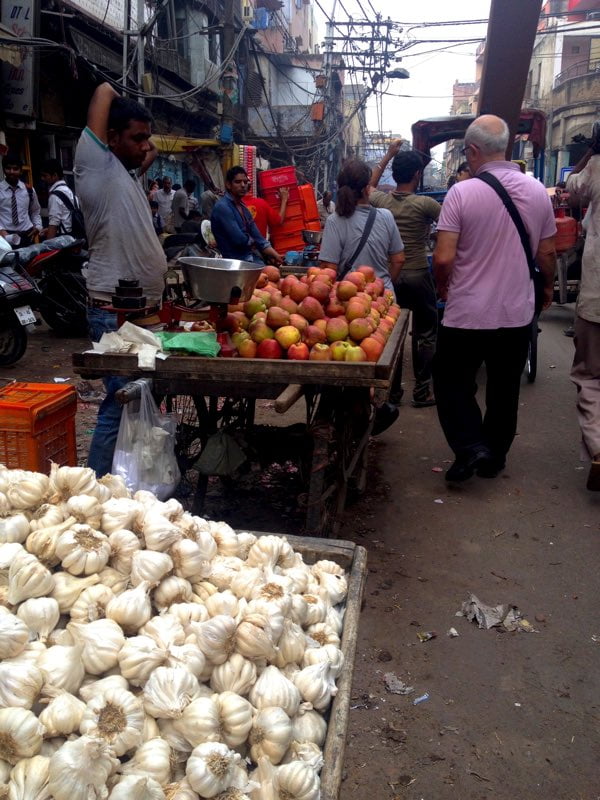
If you want to lose less time in traffic while sightseeing in New Delhi, I recommend taking rickshaws, as I suggested above. Depending on the distance, you can choose a cycle or motorized one. Also remember that the city’s air pollution may give you a headache for a while, because Delhi is one of the most polluted cities in the world. In the Far East you’ll see many people wearing masks in traffic, but in India this wasn’t common before Covid. We never used one, but if you need it and have sensitive lungs, it’s worth packing a mask.


Red Fort
The Red Fort has been on the UNESCO World Heritage List since 2007. With its 18-metre walls, it’s one of New Delhi’s most important and most visited historic sites. It was built between 1638 and 1648 by the Mughal Emperor Shah Jahan, who also built the Taj Mahal. It’s called the Red Fort because the stone used to build it is red.
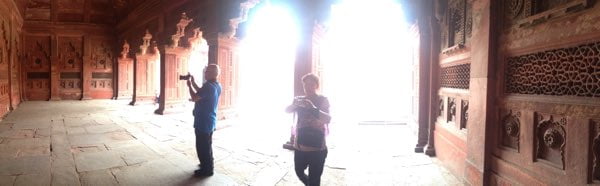
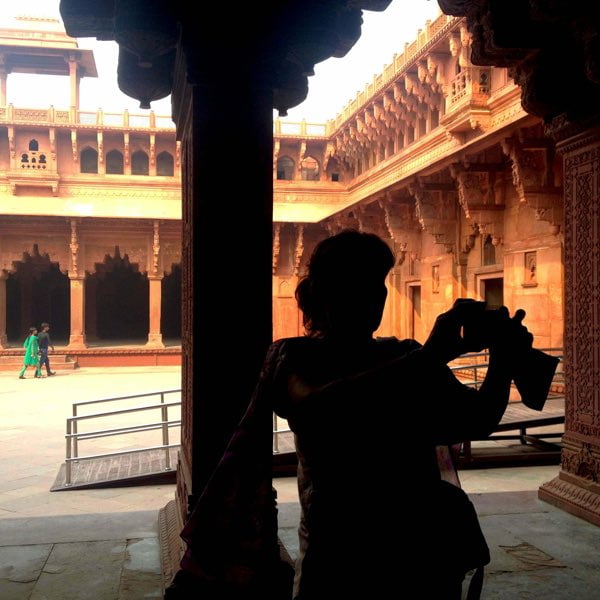
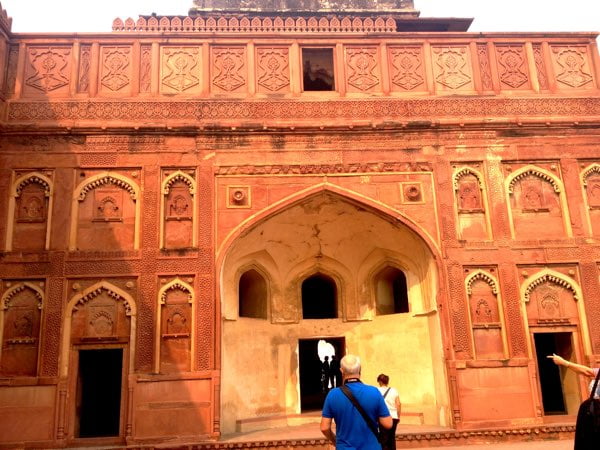
We begin our tour of Old Delhi at the Red Fort. Completed in 1648 by the Mughal Emperor Shah Jahan, this fort was built as the residence of the Mughal Empire. Also known as Lal Qila, its walls are 18 metres high.
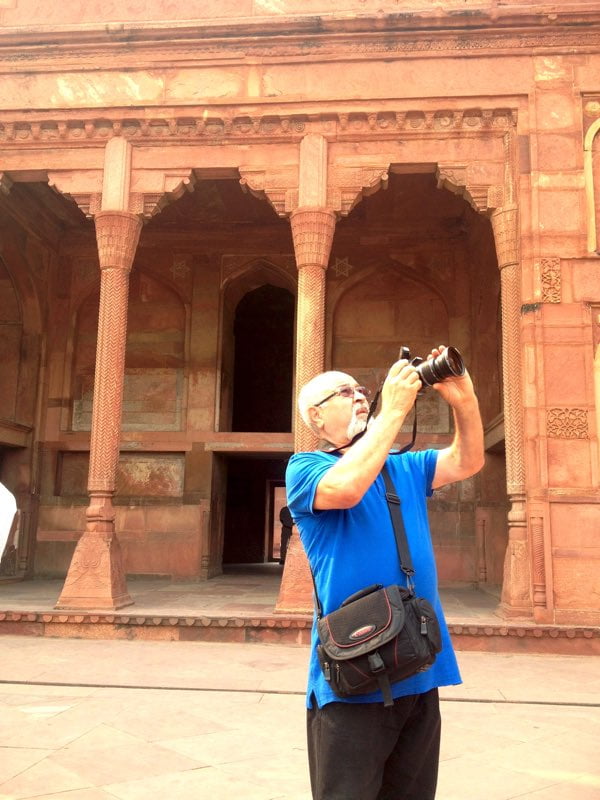
The fort’s walls were built of red sandstone, and because they look red, it was named the Red Fort. The Red Fort, notable for both its pavilions and its garden design, was once occupied by the British, and many of its marble structures were destroyed. The palace combines Islamic and Persian elements to create a distinctive style.

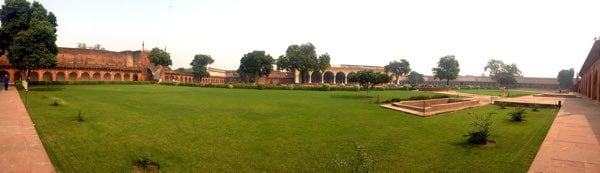
Known locally as Lal Qila, this is the fort where the prime minister gives a speech every year on 15 August. Now a UNESCO World Heritage Site, it can be your first stop when you come to New Delhi.
Jama Masjid
Known as India’s largest mosque, the Jama Masjid was built between 1644 and 1656. It’s near the Chawri Bazaar and is big enough for 25,000 people to pray at once. Entry is free, but people may ask you for money at any moment.
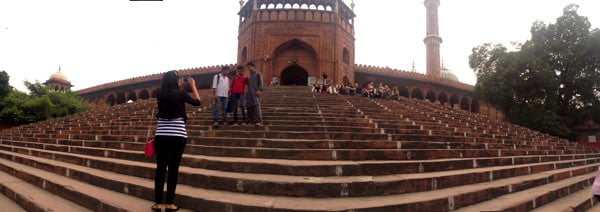
Located near the Red Fort, the Jama Masjid, also built by Shah Jahan between 1644 and 1656 and known as the Friday Mosque, is famous as the country’s largest mosque, with room for 25,000 worshippers. You can visit the Jama Masjid on the same day as the Red Fort.
India Gate
India Gate:
This 42-metre monument in New Delhi, designed by Edwin Lutyens, was built in memory of the soldiers who died in the First World War. In both its construction and its appearance, we can say it resembles the Arc de Triomphe in Paris. This monument rising towards the sky is very impressive and visited by many tourists.
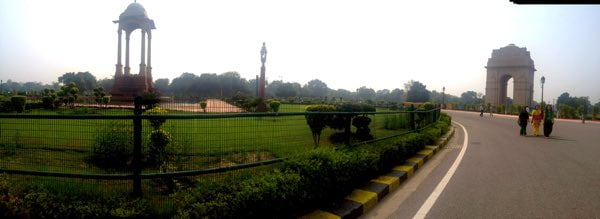
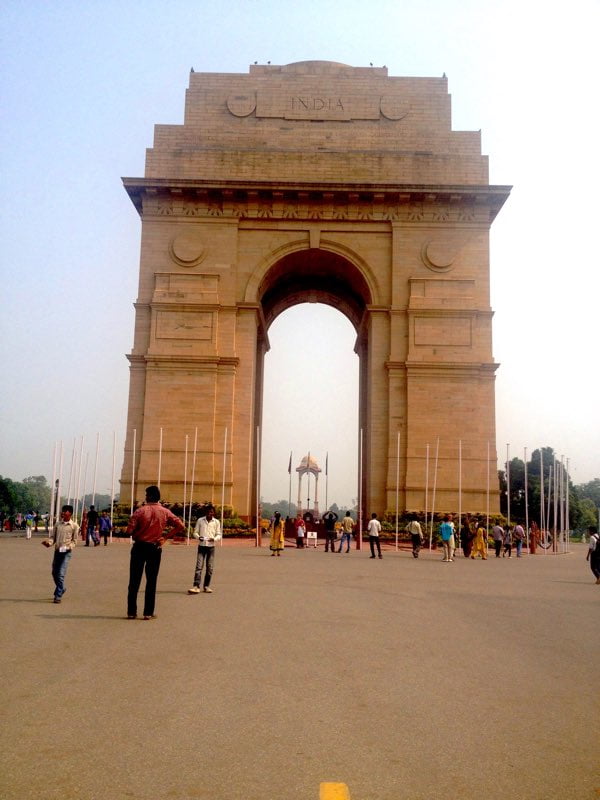

It’s a 42-metre structure designed in 1931 by the British architect Edwin Lutyens. When you visit India Gate, don’t be surprised to learn that the names of around 13,300 soldiers, including British officers and soldiers, are inscribed on it.
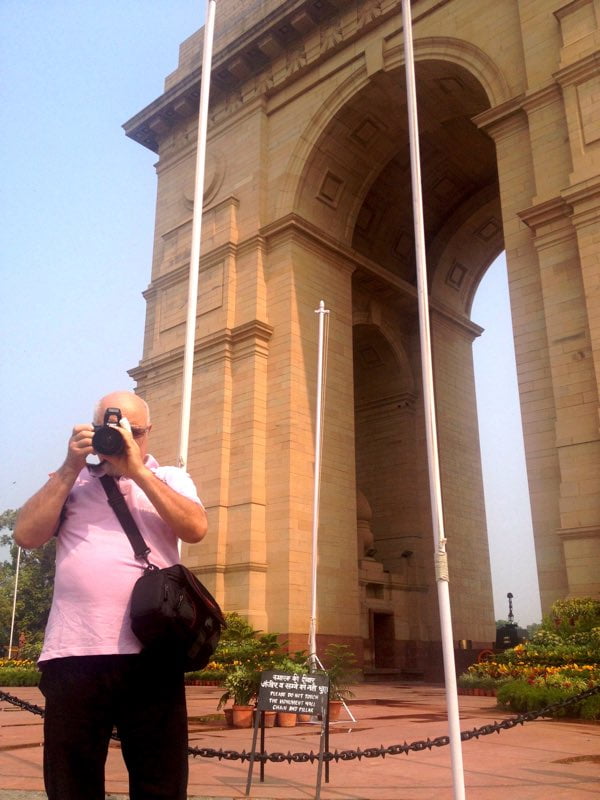
It was built in honour of the soldiers who died in the First World War. The area around India Gate is clean, modern and well kept.
Raj Ghat
Raj Ghat in Delhi is the memorial to Gandhi, perhaps one of India’s most important people, marking the place where he was cremated. Gandhi was the leading figure in India’s struggle for independence. There’s also a museum nearby with his belongings. I recommend not leaving New Delhi without visiting this memorial to Gandhi, who has become almost a symbol of India.
Chandni Chowk Market
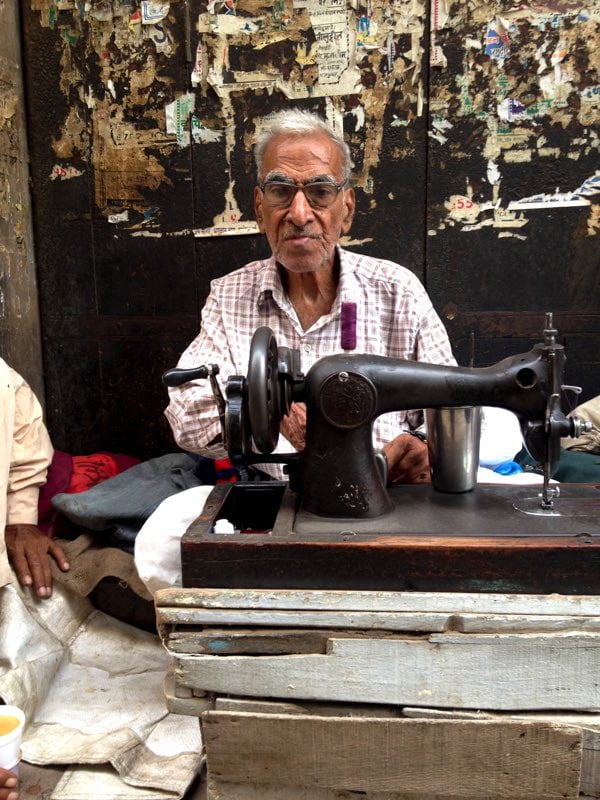
Imagine a market in Old Delhi that’s incredibly crowded, a wonderful market full of street food all around you! Here you can find most of India’s famous street food and try each one. The famous jalebi sweet, India’s famous fried samosas, stuffed flatbreads: you’ll find them right here. In this market, where you can see a cooking pot on almost every corner, there are also many products you can buy. It’s worth saying that from India’s famous spices to its dishes, it’s a market that reflects India in the fullest sense.

Jantar Mantar
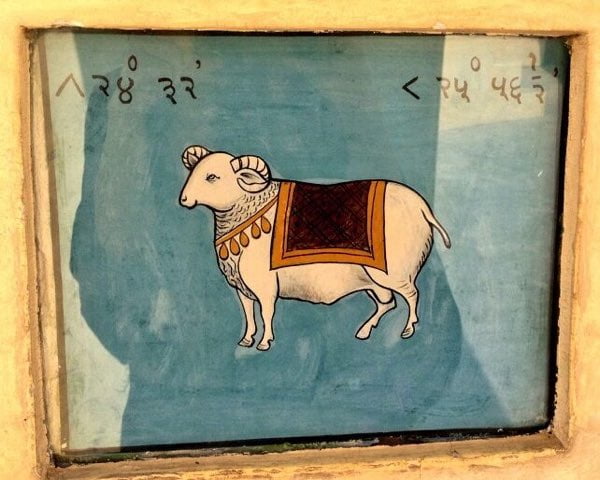
Used as an observatory, Jantar Mantar was completed in 1724 by Maharaja Sawai Jai Singh. Meaning “magical instrument”, it grew out of curiosity about celestial bodies and their movements. Separate structures were built to study the movements of the planets, the moon and the zodiac signs. The observatory in Delhi is one of five in India.

Jantar Mantar : I took lots of photos of it. If you want to see all the photos of the zodiac signs, I recommend my detailed post onJantar Mantar .
Jantar Mantar in Jaipur has the largest sundial in the world. It was built to tell the most accurate time of day by studying the sun’s movements. This observatory, where you can find a lot of information and instruments on the history and development of astronomy, has been added to the UNESCO World Heritage List.
Be sure to read this post: INDIA, Jantar Mantar
Agrasen ki Baoli
Baoli is a Hindi word meaning “stepwell”. It was built both as a water reservoir and as a monument. At Agrasen ki Baoli, you descend about 108 steps to reach the well deep below. The monument is attributed to the legendary King Agrasen. Part of the film PK, starring India’s famous actor Aamir Khan, was shot here. Agrasen ki Baoli is close to both India Gate and Jantar Mantar.

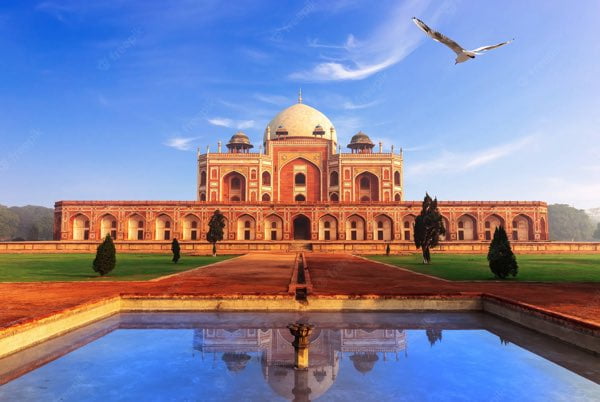
Humayun’s Tomb, New Delhi
When we talk about mosques and tombs in India, we come across very magnificent buildings. Humayun’s Tomb, completed in 1572, is one of these splendid structures. The architect of Humayun’s Tomb was the Persian Mirak Mirza Ghiyas. White marble and the red sandstone you’ll see in many of India’s important buildings were used in its construction. Its construction was begun in 1565 by the widow of the Mughal Emperor Humayun, Bega Begum, after his death. Inside the complex there are not only Humayun’s tomb but other structures you can visit as well. Humayun’s Tomb was added to the UNESCO World Heritage List in 1993.
Akshardham
Built on the banks of the Yamuna River, the walls of the Akshardham Temple are covered with some 20,000 sculptures and have breathtaking architecture. This Hindu temple is a must-visit for everyone who comes to New Delhi.
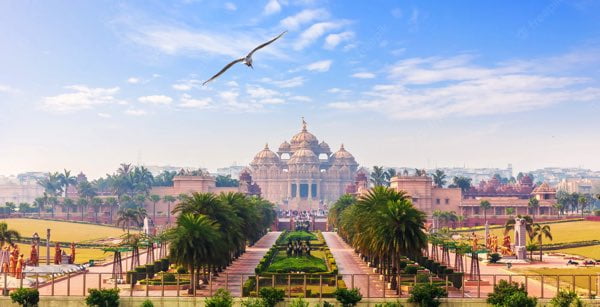
Akshardham Temple: Known as the “abode of God”, Akshardham is one of the largest Hindu temples in the world. It was completed in 2005 with the material and spiritual help of many people. This architecturally striking building offers a real visual feast, especially when the lights come on in the evening. The temple has domes on top and a huge garden, where the elephant sculptures also stand out.
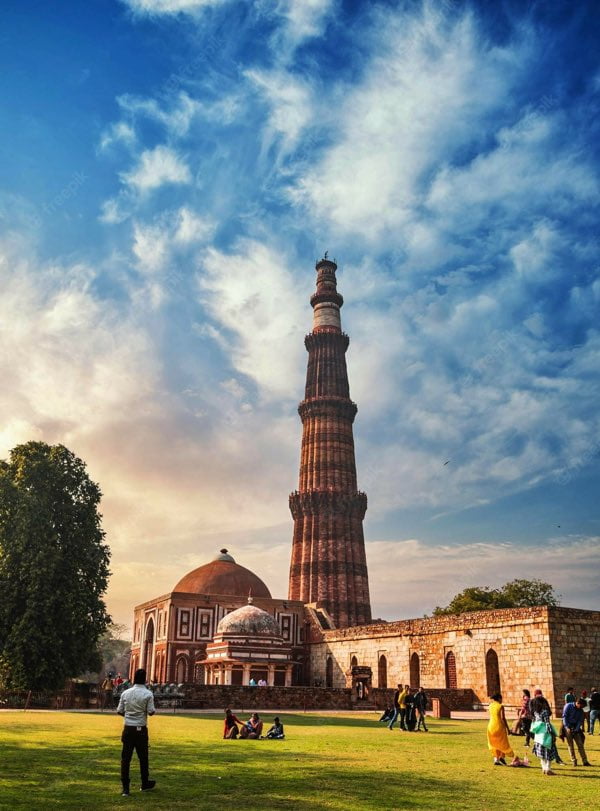
Qutub Minar, New Delhi
Built in the 13th century by Qutb ud-Din Aibak, the Qutub Minar stands out for its height and its blend of Hindu and Islamic architecture. Surrounded by a madrasa and tombs, it’s also on the UNESCO World Heritage List. At 72 metres, it’s said to be the tallest brick minaret in the world. It’s one of the top places you must see when you go to New Delhi. The Qutub Festival is held at the Qutub Minar every year, where you can enjoy Indian music and dance.
The Lotus Temple
The Lotus Temple takes its name from India’s famous flower, the lotus. The lotus is a symbol of purity and immortality. The temple itself is shaped like a lotus flower, made of white marble divided into many petals.
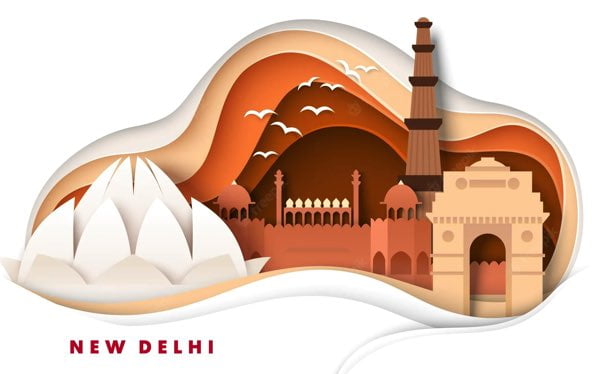
Designed by the Iranian architect Fariborz Sahba and opened for worship in 1986, the temple is a Bahá’í house of worship. According to the Bahá’í faith, everyone can come here to pray regardless of religion or denomination, because Bahá’ís believe in the unity of humanity. The modern Lotus Temple is made of 27 marble petals. Its nine doors open into a large central hall that holds about 2,500 people. The temple has won many architectural awards and is surrounded by 9 pools. We should also mention that it was one of the first temples to use solar power, which shows that its builders cared about nature as much as about people and faiths.
New Delhi National Rail Museum
Set on 10 acres of land, this museum has everything that comes to mind when you think of a railway museum: many old carriages, tracks, trains and other items. It’s a museum you can visit with your children, teaching them about rail transport and offering useful information about the past.
Gurudwara Bangla Sahib
In Sikhism, one of the most important symbols is the gurdwara, which means temple. The dome of this temple, which resembles the famous Golden Temple of the Sikhs, is reminiscent of Islamic architecture. Considering that Sikhism has some aspects in common with Islam, this shouldn’t surprise us. The temple has water believed to be holy and to heal illnesses, rather like Zamzam water. It’s believed this water was left by a guru to heal future generations. A guru is a spiritual teacher in Sikhism. When you visit this unusual temple in New Delhi, I recommend timing it with prayer hours.
Rashtrapati Bhavan
In New Delhi, once under British rule, this fascinating palace, where the British Viceroy resided, was built using around 700 million bricks. Behind it are huge, very impressive gardens. This building, where you can easily see traces of Indian culture, has 340 rooms.
National Gallery of Modern Art
Like the museums of modern art found in many countries, New Delhi has one too. In this museum, home to the works of important artists, you can see many pieces.
Lodi Gardens
The Lodi Gardens are one of the best places to breathe in the middle of the city, to walk and to relax among greenery. The tombs of the Lodi rulers who once lived here are in these gardens. You can see these mausoleums in the domed structures in the gardens. In the Lodi Gardens, where you’ll find many different plants together, you may also see people doing yoga.
Hauz Khas Village
Hauz Khas Village isn’t actually a single place but the name of an area where lots of different activities, food and drink come together. There are upscale restaurants, shops and cuisines from all over the world. There’s also a wonderful lake in the area where you can walk.
Gandhi Smriti
This is a memorial museum dedicated to Gandhi, the leading figure in India’s struggle for independence. The house originally belonged to the Birla family, wealthy friends Gandhi often visited. Gandhi spent the last 144 days of his life in this house, until he was assassinated in 1948. Gandhi was killed here while going to prayer, and a memorial was built where he was shot. Since the room where he stayed and his personal belongings have been left untouched, you can see the famous glasses and clothes that made Gandhi recognizable. Those who want to know Gandhi better can also visit the National Gandhi Museum and Library, which holds recordings of many of his speeches and his personal belongings.
Dargah Nizamuddin
This dargah is the shrine of the famous Sufi saint Khwaja Nizamuddin Auliya in India. Many people come to visit every year, in fact almost every day. It’s especially crowded on Thursday evenings, and the anniversaries of Nizamuddin Auliya’s birth and death are celebrated with special ceremonies. The tomb of Nizamuddin Auliya is also here at Dargah Nizamuddin.
Chhatarpur Temple
Completed in 1974, this building stands out for its truly impressive architecture. Built entirely of marble, Chhatarpur Temple is one of India’s most important temples. A tall, pointed structure stands out in the middle of the temple. Reflecting Indian architecture beautifully, it’s very popular with local people.
Safdarjung’s Tomb
In English, ““Safdarjung’s Tomb” was built in 1754 for Nawab Safdarjung. As in many places in India, sandstone and marble were used in its construction. With its large dome, its architecture and the small pool in front of it, it’s a very grand monument. There’s a mausoleum at its centre and a raised platform with hidden staircases.
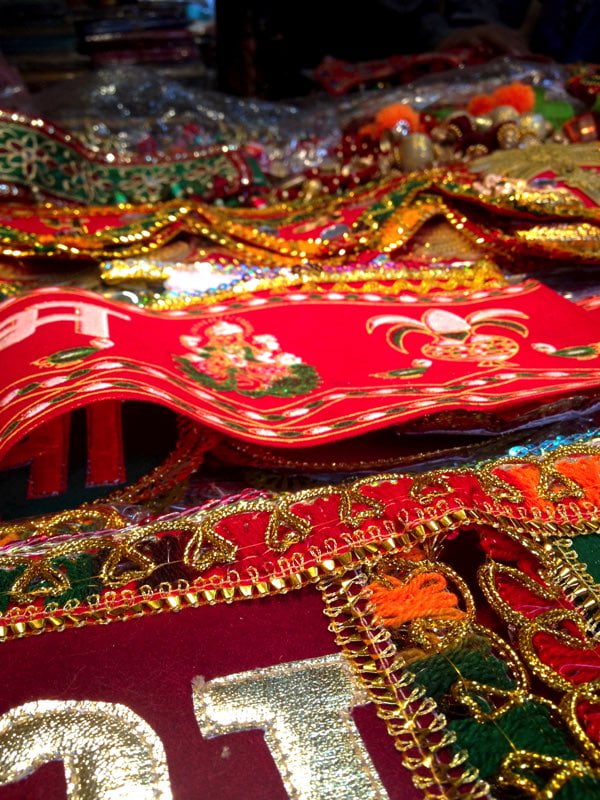
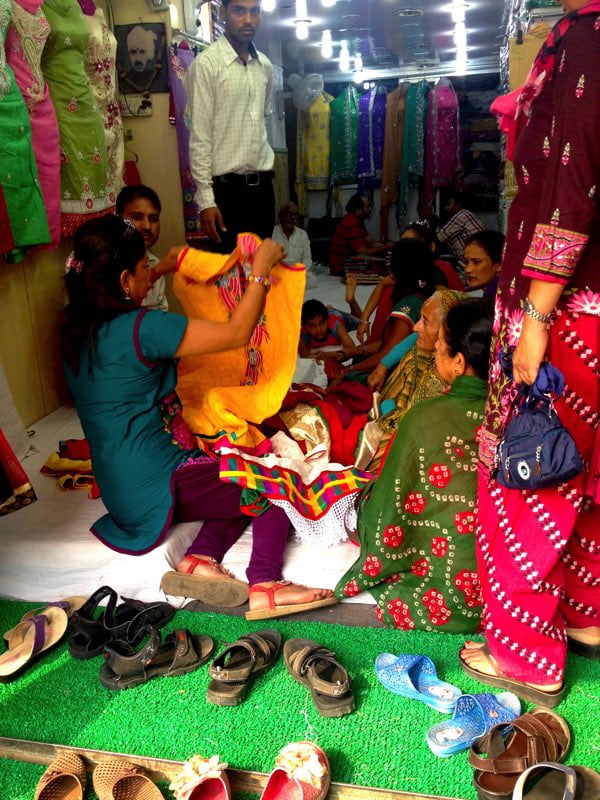
Shopping in New Delhi
Indian Fabrics


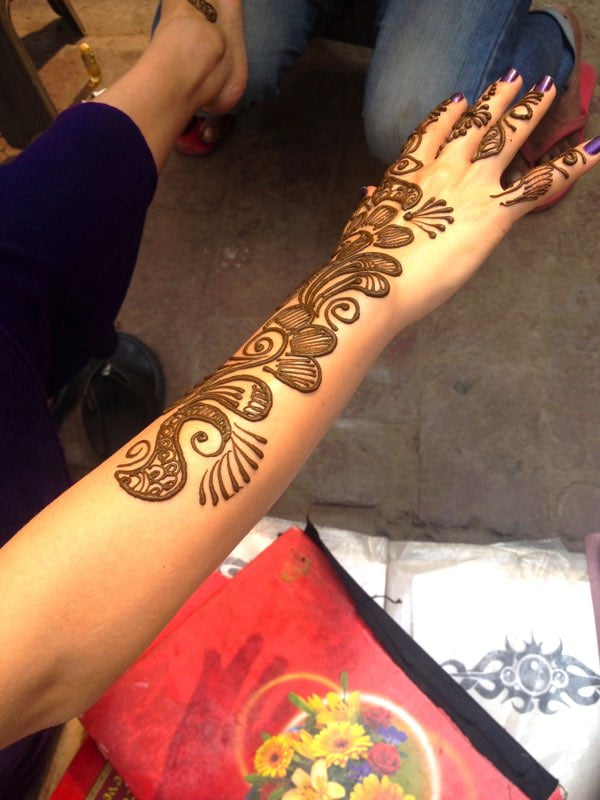
Indian Tattoo
We would come back to New Delhi again. After finishing our tour of New Delhi, we were ready to go to Rishikesh. Guru, an Indian yoga master who lives in Rishikesh, would meet us and show us around. We couldn’t wait to hear about India and Rishikesh from him.


We decided to take the bus to Rishikesh. We would take an overnight bus from New Delhi to Rishikesh so as not to lose a day. Then for Varanasi, Agra, and Jaipur we would use the train. I’ve prepared a detailed Rishikesh post for you.
